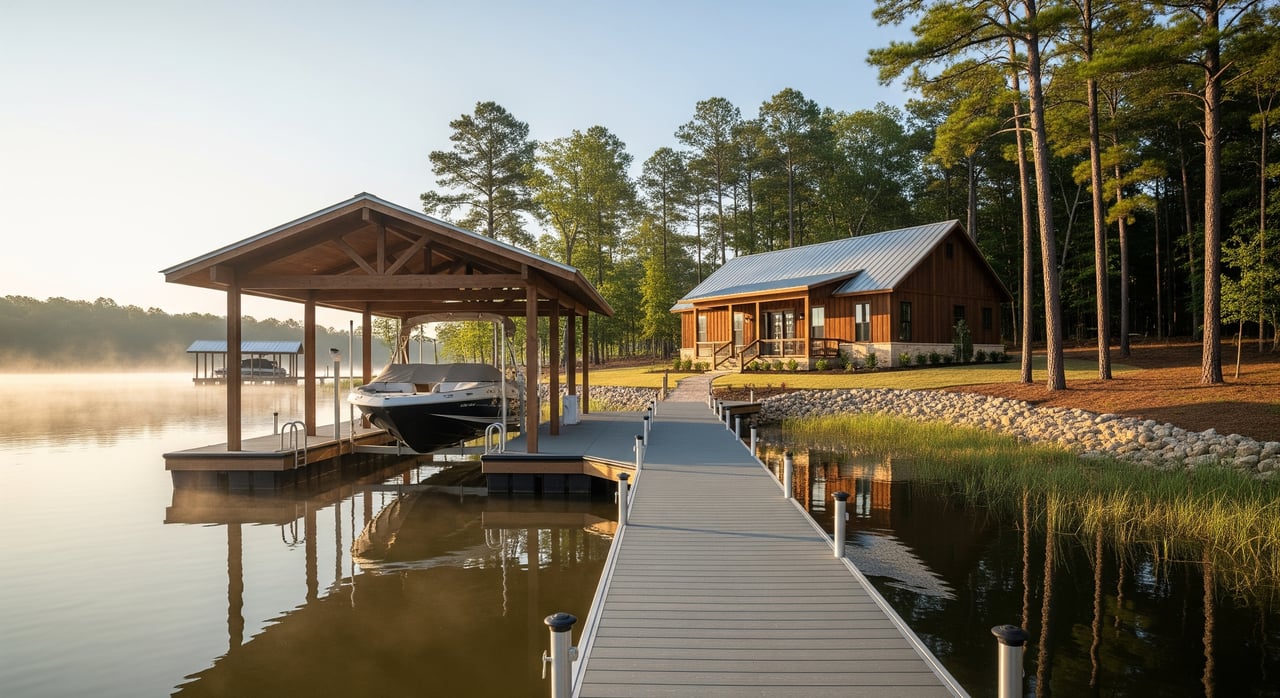
Hunting for a waterfront place on Lake Gladewater, but the listing says “city lease lot”? You are smart to pause. Leaseholds can be great buys, yet they follow a different rulebook than standard fee-simple land. In this guide, you will learn how the leases work, what fees to expect, how lenders look at them, and the exact documents to gather so you can close with confidence. Let’s dive in.
What a city lease lot is
A city lease lot, sometimes called a shoreline lease or leasehold, gives you the right to use and occupy city-owned land for a set term. The City of Gladewater keeps ownership of the underlying shoreline. You typically own the improvements you place there, such as a home, dock, or boathouse.
Your rights come from a written lease that sets the term, the fees, allowed uses, and the rules for transfers and renewals. The city also controls structures, setbacks, and maintenance standards through the lease and local ordinances. Expect permits for docks and boathouses and inspections to check compliance.
When you buy, you are purchasing the improvements plus the leasehold interest, not the land. That means the lease itself is a key part of the value. Always confirm whether the lease is recorded in Gregg County and whether there are amendments that change the original terms.
Costs to budget
City leaseholds carry a different cost structure than a typical lakeside lot. Build these into your budget and your lender’s debt-to-income calculations.
- Annual lease fee. This is the ground rent you pay the city to use the shoreline lot.
- Transfer or sale fee. A one-time fee often due when the lease is assigned to you at closing.
- Application or processing fee. Paid when you apply to assume the lease or request city approval.
- Dock and structure permits. Fees for building or repairing docks, boathouses, or shoreline stabilization, plus inspections.
- Maintenance assessments. Some programs assess for road, shoreline, or lake maintenance.
- Property taxes on improvements. You pay taxes on your home and other structures, not on the city-owned land.
- Insurance. Many leases require liability coverage for docks and shoreline improvements, often naming the city as an additional insured.
- Special assessments. From time to time, cities may levy assessments for lake projects or capital improvements.
Amounts and escalation formulas vary by lot and by program rules. Some leases use fixed increases, others tie to an index, and some are renegotiated at intervals. Ask the city for a written, itemized statement of the current fees, the escalation method, and a fee history for the past several years. That paperwork helps you compare options and protects you from surprises at closing.
Financing on leaseholds
Many buyers can finance a lease lot home, but underwriters will read the lease line by line. Get your lender involved early and share the lease before you go under contract.
Here is what lenders and investors typically check:
- Remaining lease term. Lenders want enough unexpired term to cover the mortgage or a program-specific minimum. If the remaining term is too short, expect a loan denial or a requirement to pay cash or use a different program.
- Assignability and lender rights. Underwriters prefer leases that can be assigned and that allow a mortgagee to step into the borrower’s rights if needed. Some lenders look for subordination, non-disturbance, and attornment provisions so the lender’s collateral is protected.
- Fee escalation. Sharp increases or aggressive indexation can affect affordability and underwriting.
- Termination language. Clauses that let the city terminate without cause, or with very short cure periods, raise red flags.
- Recording and clarity. A recorded lease and any amendments make title work and underwriting smoother. Unrecorded or ambiguous occupancy agreements are a problem.
- Dock and structure compliance. Lenders want proof that improvements are permitted and compliant.
- Mortgagee notice and cure periods. Clauses that give the lender notice of a lease default and time to cure are viewed favorably.
Because requirements vary by program and investor, ask your lender to provide their leasehold criteria in writing. If the lease does not meet conventional, FHA, VA, or USDA rules, a portfolio lender or cash may be your best path. Getting clarity on this before you write an offer can save you weeks and protect your earnest money.
Your due-diligence checklist
Get the paper trail early. The more you gather before you negotiate, the better you can price, plan, and time your closing.
Documents to request from the seller and the city:
- Fully executed lease and all amendments, plus proof the lease is recorded with the Gregg County Clerk.
- Fee history, including receipts for annual lease fees, transfer fees, and any unpaid balances for at least the past 3 to 5 years.
- City-issued estoppel or payoff statement showing current balance due, payment history, and whether any violations or litigation exist.
- Dock and structure permits, inspection records, and any notices of code violations.
- City policies or ordinances for lease lots, including design standards, dock rules, and setback requirements.
- Survey, plat, or site plan showing the leased area and improvements.
- Evidence of paid property taxes on the improvements.
- Title commitment that includes leasehold title insurance availability and any leasehold-specific exceptions or endorsements.
Key questions to ask the city or listing agent:
- Is the lease recorded, and what is the recorded legal description?
- What is the current annual lease fee and the escalation formula?
- Is there a transfer fee, and how is it calculated and collected?
- What approvals are required for a lease transfer, and what is the typical turnaround time?
- Are there outstanding violations, liens, or assessments on the lot?
- What are the renewal options, and how are renewals handled?
- What are the rules for docks, boathouses, and shoreline stabilization? Are any moratoria pending?
- Does the city require certain insurance or indemnity language and to be named as an additional insured?
- Will the city provide an estoppel or payoff letter for closing?
Title, insurance, and closing details
Ask your title company if it will issue leasehold title insurance and what endorsements it requires. If the commitment lists exceptions tied to municipal rights, surveys, or unrecorded agreements, work to resolve them before closing. Confirm who pays outstanding lease fees, late charges, and transfer fees so the closing statement reflects them accurately.
On financed deals, deliver the lease, amendments, estoppel letter, and proof of paid fees to your lender with the loan application. This keeps the loan file clean and reduces last-minute conditions. If the lease contains complex language about subordination or termination, consider having a Texas real estate attorney review it before you sign the contract or remove contingencies.
Avoid common surprises
Here are issues that can delay or derail closings, and how to prevent them.
- Loan denial late in escrow because the remaining lease term is too short. Prevent it by having your lender read the lease before you write the offer and confirm the minimum remaining term requirement in writing.
- Unexpected transfer or late fees at closing. Prevent it by requesting an estoppel or payoff letter from the city early and by asking the seller for paid receipts.
- City delay or denial of transfer approval. Prevent it by building extra time into the contract and submitting a complete transfer package on day one of escrow.
- Unpermitted dock or structure. Prevent it by requesting permits and inspection records upfront and confirming compliance before the appraisal.
- Lease termination rights that are too broad for the lender. Prevent it by consulting the lender and, if needed, an attorney to address subordination or notice-and-cure language early.
- Title exceptions tied to municipal rights or unrecorded agreements. Prevent it by pushing for leasehold title insurance, reviewing exceptions, and obtaining required endorsements.
Who to contact and what to ask
For a smooth process, reach out to each party with specific requests.
City lease administrator or City Secretary:
- “Please provide a recorded copy of the lease for Lot [X], the last three years of lease fee receipts, any amendments, and an estoppel or payoff letter showing outstanding obligations or violations.”
- “What is the current annual lease fee, the escalation formula, and the transfer fee schedule? What is the timeline and process for transfer approval?”
Your lender or underwriter:
- “Do you allow conventional, FHA, VA, or USDA financing for this municipal lease? What minimum unexpired lease term do you require at closing and at the start of amortization?”
- “Do you accept the lease as written, or do you require specific mortgagee protections such as subordination or non-disturbance language?”
Your title company:
- “Can you issue leasehold title insurance for this property? Which exceptions or endorsements will you require based on the lease terms?”
Real estate attorney, if the lease reads complicated:
- “Please review the lease for assignability, termination rights, escalator clauses, mortgagee protections, and any title risks.”
Next steps for buyers
If a Lake Gladewater home on a lease lot fits your lifestyle, plan your path in three steps:
Get the documents before you bid. Ask for the full lease package, the fee history, the estoppel or payoff letter, and dock permits. Share them with your lender and title company early.
Align the financing with the lease. Confirm the lender’s minimum remaining term, notice-and-cure expectations, and any required endorsements in writing. If the lease will not fit, adjust the timeline or consider a different loan program or a cash offer.
Build time into your contract. City approvals take time. Write realistic deadlines and allocate transfer fees and outstanding balances in the offer so both sides know the plan.
Ready to walk the process with a local who knows the steps, the fees, and the players? Reach out to Unknown Company for a lake-focused game plan and responsive guidance from offer to closing.
FAQs
What is a Lake Gladewater lease lot?
- It is city-owned shoreline land that you lease for a set term while you own the home and other improvements on it; the lease sets fees, uses, and transfer rules.
Do I pay property taxes on a lease lot home?
- You typically pay property taxes on your improvements, such as the house and dock, while the city retains ownership of the underlying land.
Can I get a conventional, FHA, or VA loan on a lease lot?
- Often yes, but lenders review the lease for remaining term, transfer rights, termination language, and mortgagee protections, so get lender approval on the lease early.
What ongoing fees should I expect besides the mortgage?
- Budget for the annual ground lease fee, possible transfer or processing fees, dock permits and inspections, insurance that may name the city as additional insured, and any assessments.
Who approves the lease transfer when I buy?
- Many programs require city approval, sometimes with inspections and a transfer fee; ask about the process and timeline before you write your offer.
What if the dock or boathouse is unpermitted?
- Unpermitted structures can derail financing and insurance, so request permits and inspection records and resolve issues before appraisal and closing.