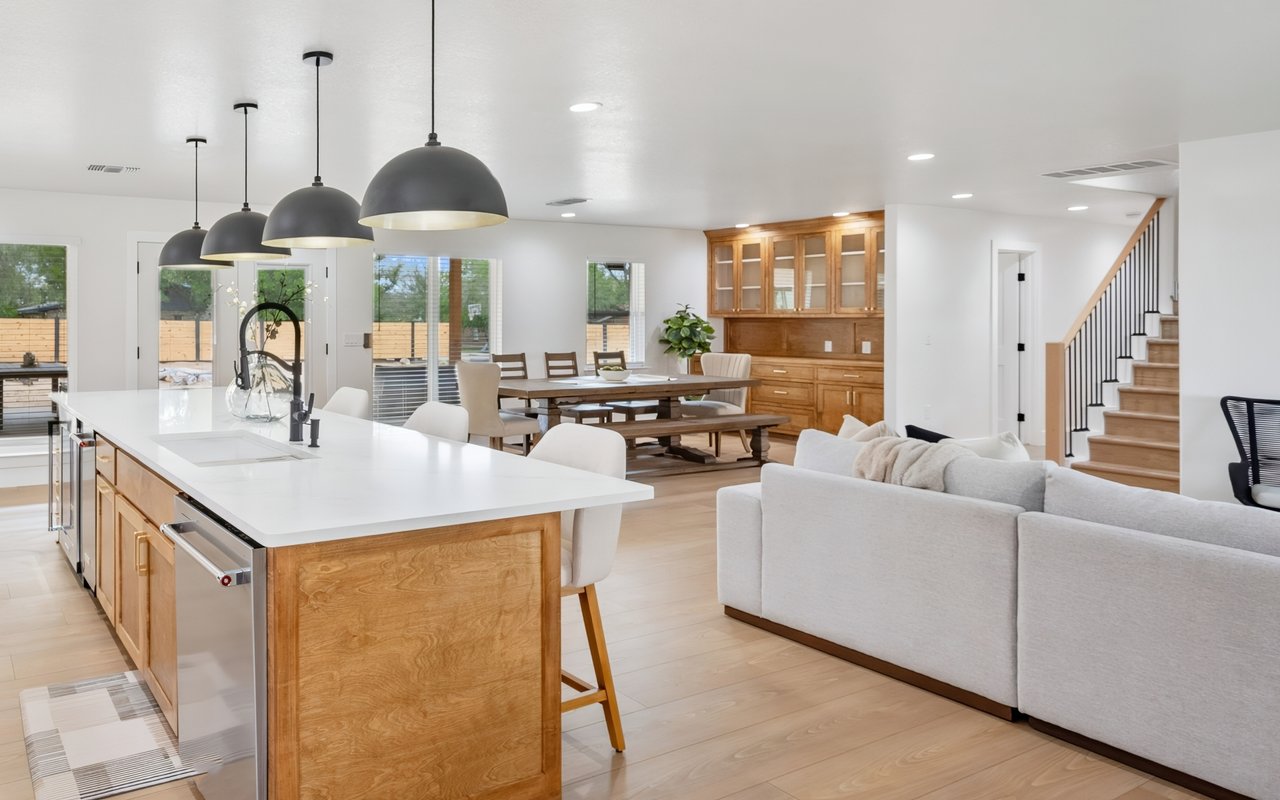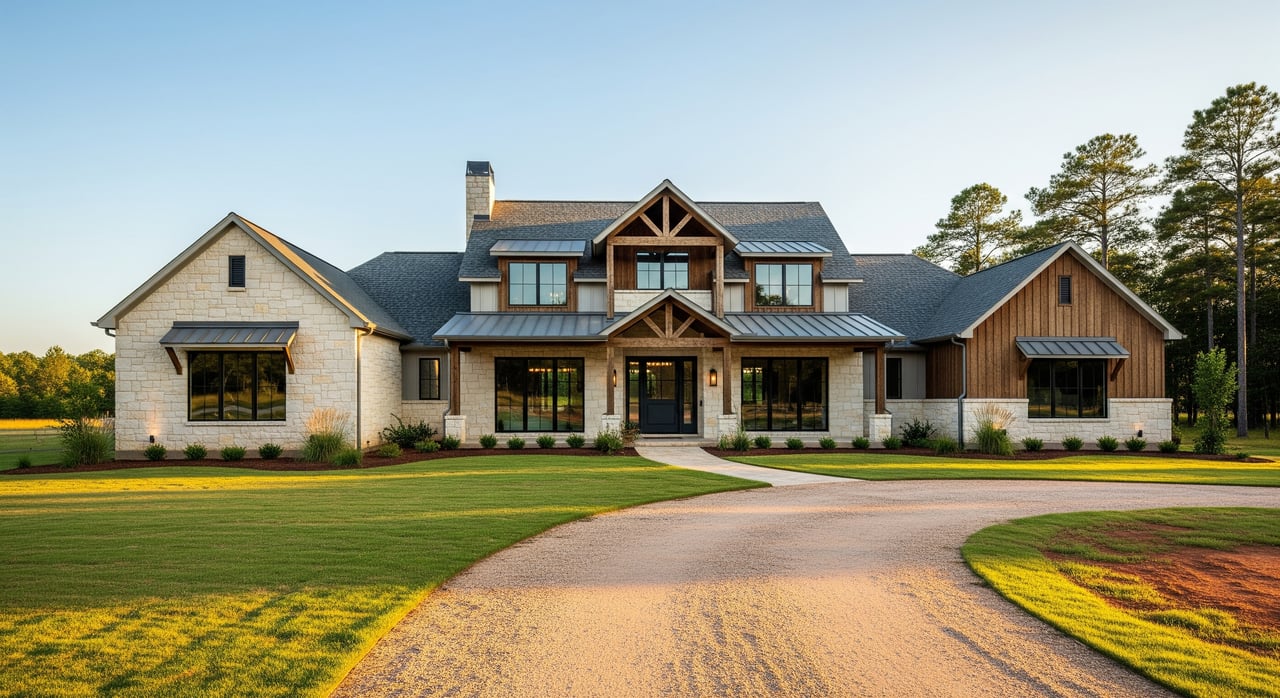
Trying to choose between a move-in-ready spec home and a ground-up custom build in Hallsville? You want the right house, the right timeline, and no budget surprises. The good news is you have solid options, and each path fits a different set of priorities. In this guide, you’ll learn how spec, semi-custom, and custom builds compare in Hallsville, what to expect at each step, and how to protect your time and money. Let’s dive in.
Spec vs. custom: quick take
- If you need speed and predictability, a completed or near-complete spec home is often best.
- If you want meaningful personalization without lengthy delays, semi-custom can strike the balance.
- If top-to-bottom control matters most and you can manage a longer process, custom is the right fit.
Local conditions around Hallsville can affect all three paths. Lot readiness, HOA rules, flood risk, and East Texas clay soils can change timelines and budgets. Confirm details with the City of Hallsville and Harrison County before you commit.
Spec homes in Hallsville
Timeline and predictability
Spec homes are either finished or far along when you first see them. That makes the timeline the fastest. If you find one complete, your move-in can mirror a resale purchase once your financing is cleared. If construction is underway, the builder already has plans, permits, and selections set, so you still tend to close sooner than with a full design build.
Selections and costs
You usually do not get many choices on finishes in a true spec. Because selections are set, pricing is more predictable and change orders are rare. This lowers risk but limits personalization. If you want to tweak small items, try to negotiate only what the builder can change without disrupting schedule.
Contract and financing
Buying a spec home often feels like a resale purchase. You sign a sales contract and use conventional, FHA, or VA financing if the property meets standards. You can still ask for independent inspections and a pre-closing walkthrough to build a punch list.
Semi-custom: the middle path
What you choose
Semi-custom builders offer a set of floor plans with defined upgrade packages. You pick the lot, the plan, and finish tiers for things like cabinets, counters, flooring, paint, and lighting. You may have some structural options, but you work within the builder’s menu.
Timing and budget
This route is usually faster than custom because the builder runs a repeatable process. Pricing starts with a base plus allowances for upgrades. Stay within allowances to keep costs in check. Expect selection deadlines early, often before the foundation is poured and again before drywall.
Contract details
You will likely see deposits, allowances, and a change-order clause. Ask for a written selection schedule and a price list for popular upgrades. Make sure inspection rights at key milestones are in your contract.
Custom homes in Hallsville
Design control
Custom gives you maximum control over layout, materials, and finishes. You may work with an architect or modify a plan heavily. The tradeoff is time, complexity, and budget variability.
Timeline realities
Custom builds take the longest because you move through design, permitting, and site preparation before you start vertical construction. Weather, materials, and labor can also stretch the schedule. Plan for months of coordination and be ready to make many decisions early.
Site and soils
East Texas often has expansive clay soils. That increases the importance of a good foundation design. On custom projects, consider geotechnical input and, if needed, a structural engineer. If you’re building on a rural lot, confirm utility availability or plan for septic and well. In subdivisions, builders typically install roads, utilities, and drainage, but you still need to confirm what is included.
Local factors to verify in Hallsville
- Permits and inspections. Smaller cities can have fewer steps, but timing still varies. Confirm permit turnaround and inspection schedules with the City of Hallsville or Harrison County.
- Soils and foundation. Expansive clay soils can affect foundation design and movement risk. Ask about local soil testing for custom builds.
- Flood risk. Some areas in Harrison County fall within FEMA flood zones. Review flood maps and ask for an elevation certificate if needed.
- Utilities and lot readiness. Subdivisions usually include utilities and drainage. Rural tracts may need extensions, septic, or a well.
- HOA or deed restrictions. New subdivisions often have architectural controls that affect materials, fences, and outbuildings.
Selections, deadlines, and change orders
Selections happen in phases. Missing a deadline can lock you into a default or trigger a costly change order. Keep these pointers in mind:
- Ask for a written selection calendar and the design center process before you sign.
- Finalize structural choices early, often before the foundation.
- Plan your mechanical, electrical, and plumbing choices before pre-drywall.
- Confirm interior finishes well before drywall to avoid delays.
- Treat late changes as the exception. Ensure every change order lists scope, price, and a completion date in writing.
Common upgrades that move budgets: upgraded cabinets, stone countertops, hardwoods or tile, lighting packages, HVAC enhancements, and lot drainage adjustments.
Inspections and warranties on new builds
Even new homes benefit from third-party inspections. Typical checkpoints include:
- Pre-pour foundation or soil/engineer review when soils or design warrant it, especially on custom builds.
- Pre-drywall after mechanical, electrical, and plumbing rough-ins.
- Final inspection before closing.
- Specialty checks as applicable, such as roof, HVAC, termite/pest, septic, or radon when relevant.
Most builders follow a familiar warranty model. Many provide one year on workmanship and materials, two years on major systems, and 10 years for structural defects. Ask for the full warranty document, including exclusions, response times, whether it is transferable, and whether a third-party company backs it. Texas does not have a single statewide warranty that overrides builder contracts, so review terms closely.
For the final walkthrough, build a detailed punch list with photos and model numbers where helpful. Get timelines for completion in writing. Some buyers negotiate a holdback for incomplete items, though not all builders allow it. After closing, plan to submit items through the builder’s warranty system and schedule a thorough 11-month warranty list before the first year ends.
Contracts, financing, insurance, and taxes
Contract protections to review
- Completion date and remedies if the builder misses it.
- Allowances and upgrade pricing with clear deadlines.
- Change order process and approvals in writing.
- Inspection rights at key stages and access for your inspector.
- Punch list creation, repair timelines, and dispute resolution steps.
- Warranty scope, transferability, and who underwrites it.
- Financing, appraisal, and pre-closing walkthrough contingencies.
Financing differences
- Spec homes. Often financed like resale with conventional, FHA, or VA loans if the property qualifies.
- Semi-custom and custom. These can use construction-to-permanent loans or builder financing with progress draws and inspections. Expect added coordination for lender inspections and lien releases.
Insurance, taxes, and fees
- Homeowner’s insurance. Your insurer may require specific inspections. Flood insurance is required if the property sits in a mapped floodplain.
- Property taxes. New construction assessments and timelines vary. Check with the Harrison County appraisal district for projected taxes.
- Utility tap or impact fees. Confirm what is included for your lot.
How a construction-savvy agent helps you
A knowledgeable local agent can keep your build on track and your contract airtight. Here is how your advocate adds value:
- Contracts and negotiation. Identify clauses that limit inspections or allow vague allowances. Clarify punch list terms, add warranty language, and negotiate reasonable remedies for delays.
- Inspections and specialists. Schedule pre-pour, pre-drywall, and final inspections. Recommend geotechnical or structural pros if soils or site conditions raise flags.
- Selections and allowances. Map out selection deadlines, compare upgrade pricing, and avoid costly late changes.
- Punch list and warranty. Attend walkthroughs, compile itemized lists with photos, submit requests, and follow up until repairs are completed.
- Lender and closing coordination. Align builder progress with lender draw inspections and documents to reduce delays.
- Local checks. Verify permits, certificate of occupancy timing, plat restrictions, and flood or environmental flags.
- Timeline guidance. Set realistic expectations for weather delays, materials lead times, and backup housing plans if needed.
Quick buyer checklists
Builder questions before you sign
- What is the target completion date, and what happens if it slips?
- What warranties do you provide, and who backs them?
- Will you allow third-party inspections at pre-pour, pre-drywall, and final stages?
- How do allowances and selection deadlines work, and what are the upgrade prices?
- How are change orders priced and approved?
Inspection milestones to schedule
- Pre-foundation: site grading and, if available, a soil report review.
- Pre-pour/pre-slab: rebar, forms, and vapor barrier check.
- Pre-drywall: electrical, plumbing, and HVAC rough-in inspection.
- Pre-closing: full independent home inspection and detailed walkthrough.
- 11-month: warranty punch list for systems and settling items.
Punch list documentation tips
- Use dated photos and itemized descriptions with locations.
- Reference model numbers or finishes where relevant.
- Request repair timelines in writing and confirm scheduling.
- Keep copies of all emails and warranty submissions.
Putting it all together
If you want certainty and speed in Hallsville, a spec or a near-complete semi-custom home is often the practical move. If your top priority is long-term satisfaction through personalization, a semi-custom plan balances choice and timing. If you want full design freedom and have the patience for a longer process, custom will deliver the exact home you imagined.
Wherever you land, align your contract terms with your goals, lock in selection deadlines, and plan for third-party inspections. If you would like a local, construction-informed partner to guide you through each step, connect with Kylie Hicks for personalized advice and on-the-ground support.
FAQs
What is the fastest way to move into a new home in Hallsville?
- A completed or near-complete spec home is usually the fastest, because plans, permits, and selections are already set.
Can I customize a spec home in East Texas?
- Limited changes may be possible if the home is not fully finished, but most finishes are already chosen and major changes can delay completion.
How long does a custom build typically take in Hallsville?
- Custom builds usually take the longest due to design, permits, site work, and detailed selections, and can extend many months depending on complexity and weather.
Do I still need inspections on a new construction home?
- Yes, third-party inspections at pre-pour, pre-drywall, and final stages help catch issues early and protect your investment.
How do construction loans work for semi-custom or custom builds?
- Construction-to-permanent loans fund draws as work is completed, with lender inspections and paperwork at each milestone.
What should I know about flood risk and insurance in Harrison County?
- Some areas fall in FEMA flood zones, so review maps, request elevation details when applicable, and plan for flood insurance if required.
Are new construction warranties the same across builders?
- No, terms vary, but many follow a 1-year workmanship, 2-year systems, and 10-year structural format, so always review the actual written warranty.